
The Best Commercial Electric Hand Dryer Options for Energy Efficiency and Hygiene
In today's commercial spaces, the choice of hand drying solutions significantly impacts both energy efficiency and hygiene standards. Electric hand dryers have emerged as a popular alternative to traditional paper towels, offering numerous benefits for businesses and facilities. This article will explore the best commercial electric hand dryer options available, focusing on energy efficiency and hygiene compliance. Readers will learn about the top energy-efficient models, how these devices contribute to hygiene standards, and the advantages of bulk purchasing for businesses. Additionally, we will provide guidance on selecting the best hand drying solutions for various facilities.
Beyond the immediate benefits of energy efficiency and hygiene, the environmental impact of hand drying methods is also a crucial consideration.
High-Speed Hand Dryers: Lower Environmental Impact Than Paper Towels
The scope of the analyses enabled us to draw robust conclusions about the relative environmental performance of the products. We can say with a high degree of confidence that the high-speed dryers have a lower impact than paper towels and cotton roll towels. Differentiating the performance of the hand dryers requires being more specific about framing assumptions. Under certain conditions, the HSHI dryer is expected to have a lower impact than the HU and HSHU dryers. However, under other conditions, one cannot say that the HSHI dryer is clearly better than the other dryers. We cannot differentiate the performance between the HU dryer, cotton roll towels, and paper towels.
Analyzing uncertainty in a comparative life cycle assessment of hand drying systems, JR Gregory, 2013
What Are the Top Energy Efficient Commercial Hand Dryers?
Energy-efficient commercial hand dryers are designed to minimize power consumption while maximizing drying effectiveness. These models often feature advanced technologies that reduce energy usage without compromising performance. Some of the top energy-efficient hand dryers include:
Dyson Airblade: Known for its high-speed drying capabilities, the Dyson Airblade uses a unique blade technology that dries hands in just 10-12 seconds while consuming less energy than many traditional hand dryers.
Excel Dryer Xlerator: This model is designed to dry hands quickly and efficiently, using approximately 1,500 watts of power, making it one of the fastest drying options though not the lowest in wattage.
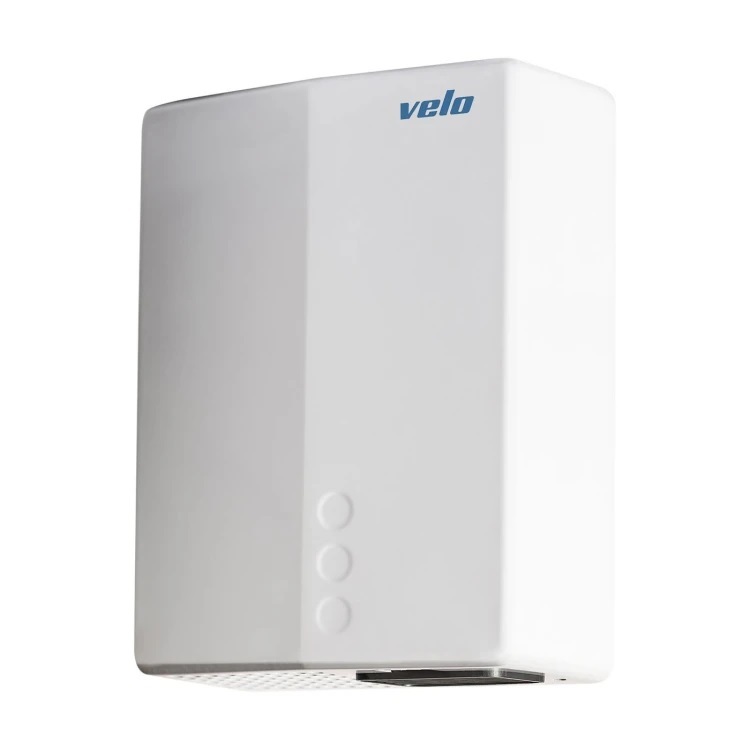
Velo Hand Dryers: Velo offers a range of high-quality electric hand dryers tailored for Australian businesses, focusing on energy efficiency and durability.
How Do Automatic and High Speed Hand Dryers Save Energy?
Automatic and high-speed hand dryers save energy through several innovative features. Automatic sensors detect when hands are placed underneath the dryer, activating the unit only when needed. This prevents unnecessary energy consumption. High-speed models, on the other hand, utilize powerful motors that dry hands quickly, reducing the overall drying time and energy used per drying session. By combining these technologies, businesses can significantly lower their energy costs while providing effective hand drying solutions.
Which Models Offer the Best Power Consumption and Drying Time?
When evaluating power consumption and drying time, several models stand out:
Dyson Airblade: Consumes about 1,300-1,600 watts but dries hands in 10-12 seconds.
Excel Dryer Xlerator: Uses approximately 1,500 watts and achieves drying in about 10-15 seconds.
Velo Hand Dryers: Offers various models with energy-efficient designs, typically consuming between 700-1,000 watts while providing quick drying times.
These models exemplify the balance between power consumption and effective drying performance, making them ideal choices for commercial settings.
How Do Commercial Hand Dryers Meet Hygiene and Compliance Standards?
Hygiene is a critical consideration for any hand drying solution, especially in public and commercial spaces. Electric hand dryers can meet various hygiene and compliance standards, ensuring that they contribute positively to overall cleanliness.
What Australian Hygiene Standards Should Hand Dryers Comply With?
In Australia, hand dryers must comply with specific hygiene standards to ensure safety and effectiveness. These standards include:
AS 4674: This standard outlines the design and construction requirements for food premises, including hygiene considerations for hand drying facilities.
AS/NZS 60335.2.23: This standard specifies safety requirements for hand dryers to ensure they are safe for use in public areas.
Compliance with these standards is essential for businesses to maintain a hygienic environment.
How Do Hand Dryers Reduce Bacterial Contamination Compared to Paper Towels?
Research indicates that electric hand dryers can have varied effects on bacterial contamination compared to paper towels. Studies have shown that:
The fundamental question of whether hand dryers or paper towels offer superior hygiene and lower infection risks has been a subject of extensive review.
Hand Dryers vs. Paper Towels: A Hygiene Comparison
Are hand dryers more hygienic than paper towels? Given the implication that improved hygiene is correlated with health, we also sought to answer the question: Are PT safer than hand dryers relative to human infection risks?
Comparison of electric hand dryers and paper towels for hand hygiene: a critical review of the literature, KA Reynolds, 2021
Airborne Bacteria: Some high-speed hand dryers may disperse more bacteria into the air compared to paper towels, which can harbor and spread germs if not disposed of properly.
Surface Contamination: Hand dryers eliminate the need for physical contact with potentially contaminated surfaces, such as towel dispensers, reducing surface contamination risks.
Specifically, studies have investigated the extent to which hand dryers contribute to the aerosolization and dispersion of bacteria.
Hand Dryers & Bacteria Dispersion: Impact on Indoor Air Quality
the results highlight that hand dryers can disperse bacteria on hands from two commercial hand dryers, impacting indoor air quality and the spread of bacteria.
Aerosolization and dispersion of bacteria on hands by hand dryers during hand drying activities, K Lin, 2025
These factors contribute to considerations in hygiene, and choice often depends on the specific context and usage protocols of facilities.
What Are the Benefits of Bulk Hand Dryer Purchase for Businesses?
Purchasing hand dryers in bulk offers several advantages for businesses, particularly in terms of cost savings and efficiency.
How Do Bulk Purchase Discounts Improve Cost Efficiency?
Bulk purchasing can lead to significant cost savings for businesses. Many suppliers offer discounts for bulk orders, which can reduce the overall price per unit. This is particularly beneficial for larger facilities or chains that require multiple units. Additionally, bulk purchases can streamline procurement processes, allowing businesses to manage their inventory more effectively.
What Are the Installation and Maintenance Considerations for Bulk Orders?
When purchasing hand dryers in bulk, businesses should consider the following installation and maintenance aspects:
Installation Requirements: Ensure that the chosen models are compatible with existing electrical systems and can be installed efficiently.
Maintenance Needs: Regular maintenance is essential for optimal performance. Choose models that are easy to clean and maintain to minimize downtime.
By addressing these considerations, businesses can maximize the benefits of their bulk purchases.
How to Choose the Best Commercial Hand Drying Solutions for Your Facility?
Selecting the right hand drying solution involves evaluating various factors, including efficiency, hygiene, and user experience.
What Features Differentiate Jet Air Dryers from Warm Air Dryers?
Jet air dryers and warm air dryers differ significantly in their operation and efficiency:
Jet Air Dryers: Utilize high-speed air jets to dry hands quickly, often in under 15 seconds. They tend to be more efficient than warm air dryers but may generate more noise.
Warm Air Dryers: Use heated air to dry hands, which can take longer and typically consume more energy. They may not be as effective in high-traffic areas.
Understanding these differences can help businesses make informed decisions based on their specific needs.
How to Evaluate Noise Levels, Warranty, and Product Durability?
When choosing hand dryers, consider the following criteria:
Noise Levels: High-speed dryers can be noisier than traditional models. Evaluate the noise level to ensure it aligns with the facility's environment.
Warranty: A robust warranty can indicate product durability and manufacturer confidence. Look for models with extended warranties for added peace of mind.
Durability: Assess the materials and construction quality to ensure the hand dryer can withstand heavy use in commercial settings.
By evaluating these factors, businesses can select hand dryers that meet their operational requirements and enhance user satisfaction.
This table summarizes key specifications of popular hand dryer models, helping businesses make informed decisions based on their specific needs.
In conclusion, selecting the right commercial electric hand dryer involves understanding energy efficiency, hygiene compliance, and the benefits of bulk purchasing. By considering these factors, businesses can enhance their facilities while promoting a cleaner and more efficient hand drying experience.
For businesses looking to explore a wide range of options, electric hand dryers from Velo offer a variety of models to suit different needs and budgets.